Masinya: A Mirror to Nepal's Institutionalised Injustice

The Masters of the Draught: A Night at the Theatre
They say history is written by the victors, but in Nepal, it was codified by the drinkers. Since the Muluki Ain of 1854, our rulers have sat comfortably, intoxicated by spirits brought from across the seas, while institutionalising the label "Matwali" for the rest. It was a clever game of shadows—dividing even the drinkers into the "Masinya" (the disposable) and the "Namasinya" (the non-disposable)—a classic ploy to ensure we remained strangers to one another.
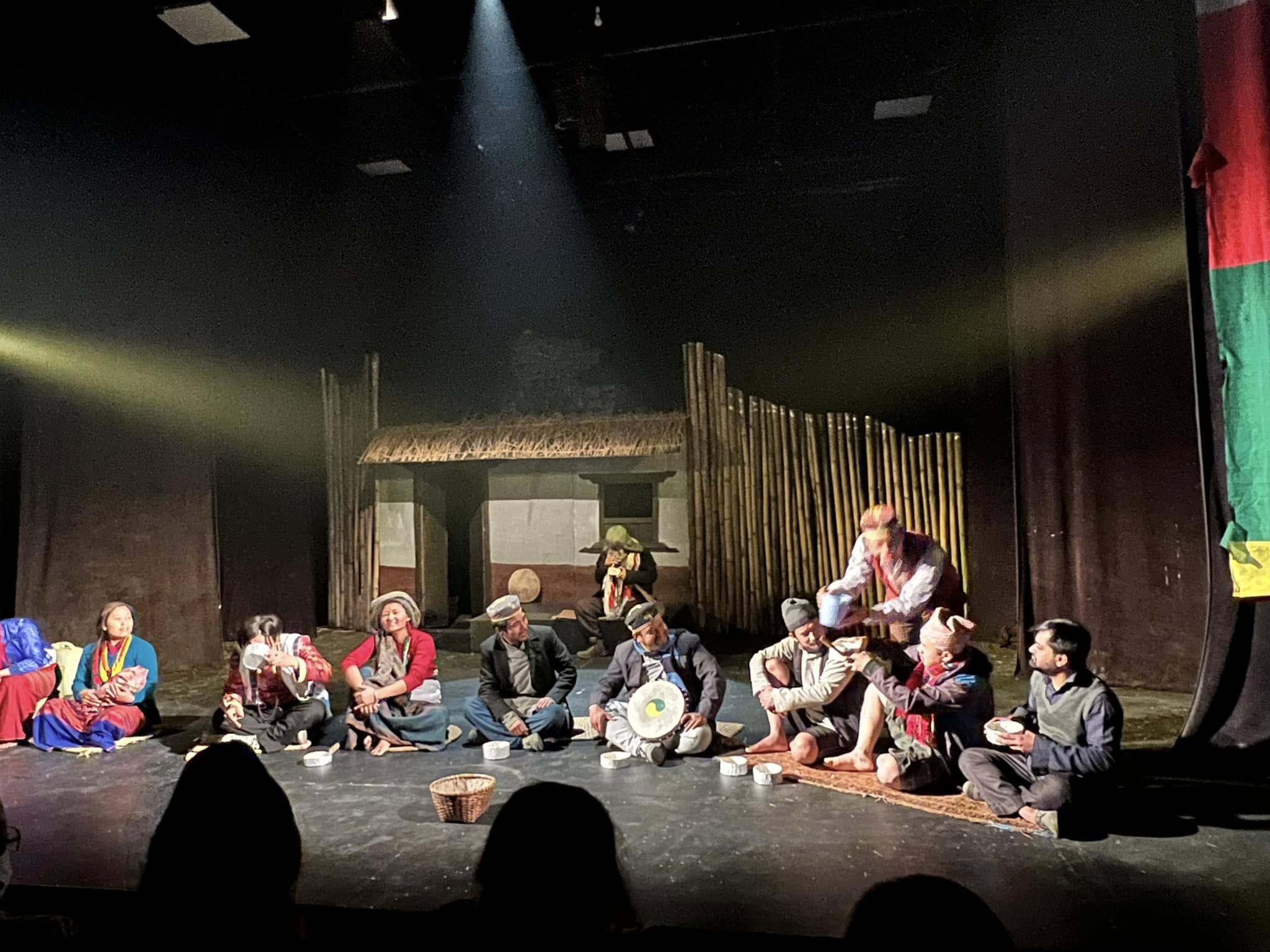
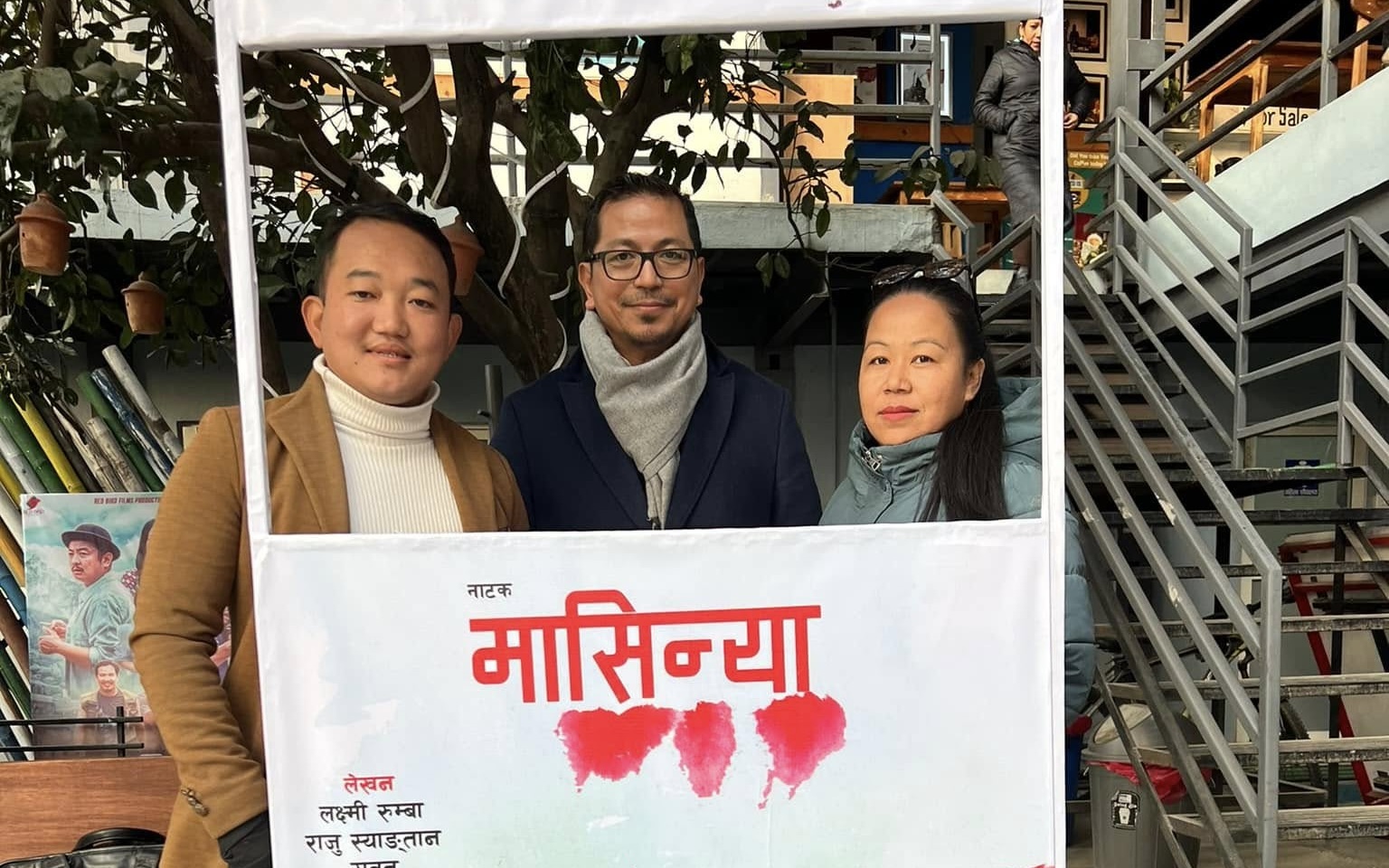
On the 26th of January, a curious "herd" of us—the so-called Namasinya who are nonetheless still being culturally erased by the state—made our way to Mandala Theatre. My companions were the editors of Nepal Mamila, Sita Tumkhewa and Jiban Limbu, along with my sister, Singjong Chemjong. We went to witness Masinya, a play that isn't just a performance, but a reclamation of identity.

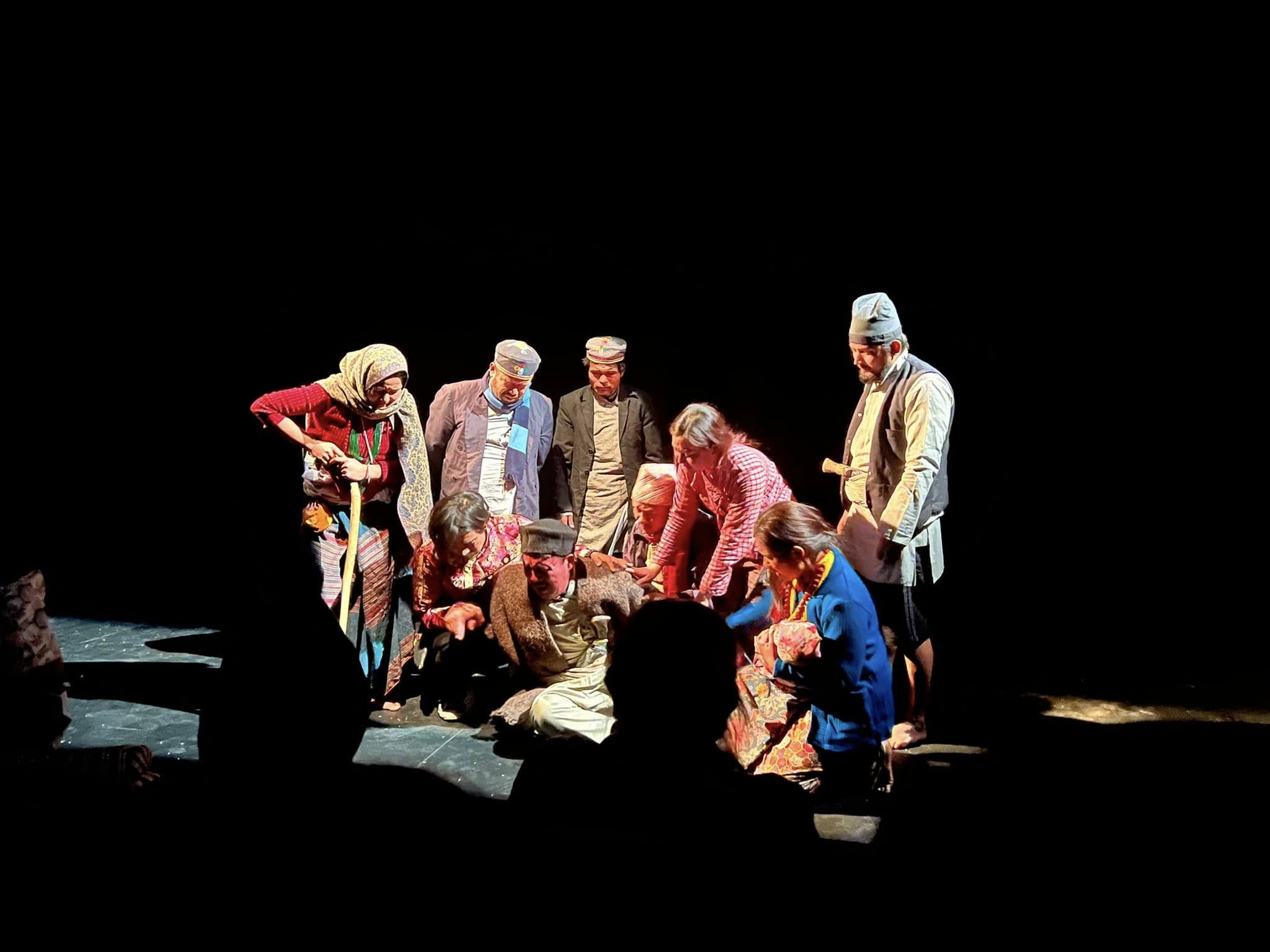
The story begins with the gentle courtship of Chyangba and Maichyang, a beautiful Tamang couple. Chyangba has a dream: to build a cultural monument in his ancestral lands. But dreams like his terrify the state. A conspiracy is woven, a false accusation of cow slaughter is levelled, and Chyangba is killed. What follows is the harrowing physical and mental unraveling of Maichyang, as her community tries to heal the unhealable through traditional rituals.
I haven’t stepped inside a theatre hall since 2001. Perhaps it is the weight of the years, but I find I no longer have the patience for cinema. To me, a film feels like a mere act, but a play—a play feels like life itself.
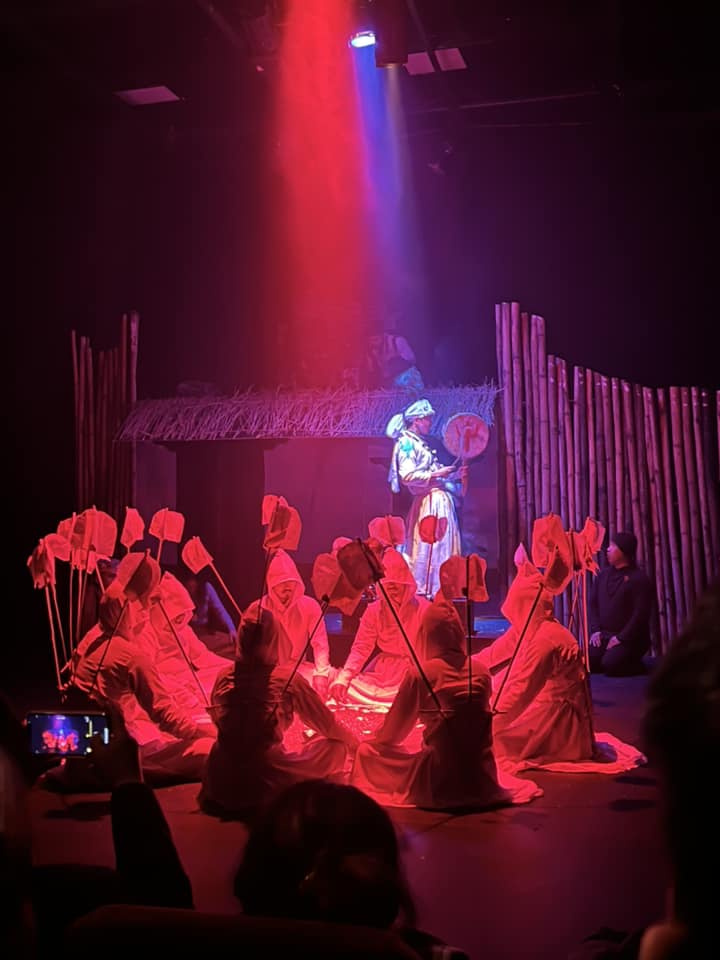
Masinya was evocative, informative, and rightfully provocative. If I were to nitpick with a critic’s eye, I would say the forced migration of the villagers lacked a bit of narrative weight, and the language barrier for non-Tamang speakers could have been bridged more gracefully. I also felt the play needed a stronger prologue or epilogue to anchor its historical gravity for every kind of audience.
But these are small grievances for a work that prioritises history and culture over profit and trade. We sat through those ninety minutes on tickets kindly sponsored by Nepal Mamila, watching a story that needed to be told. It wasn’t just a play; it was a reminder that while the state may try to "delete" us, our stories are etched into the very soil of our ancestors.
