Beyond Intention: Why Anscombe’s Theory Fails the Gurkha Soldier

Why Does a Nepali Soldier Shoot at a Pakistani on the Indian Border? – A Question to Elizabeth Anscombe’s ‘Intention’ Theory
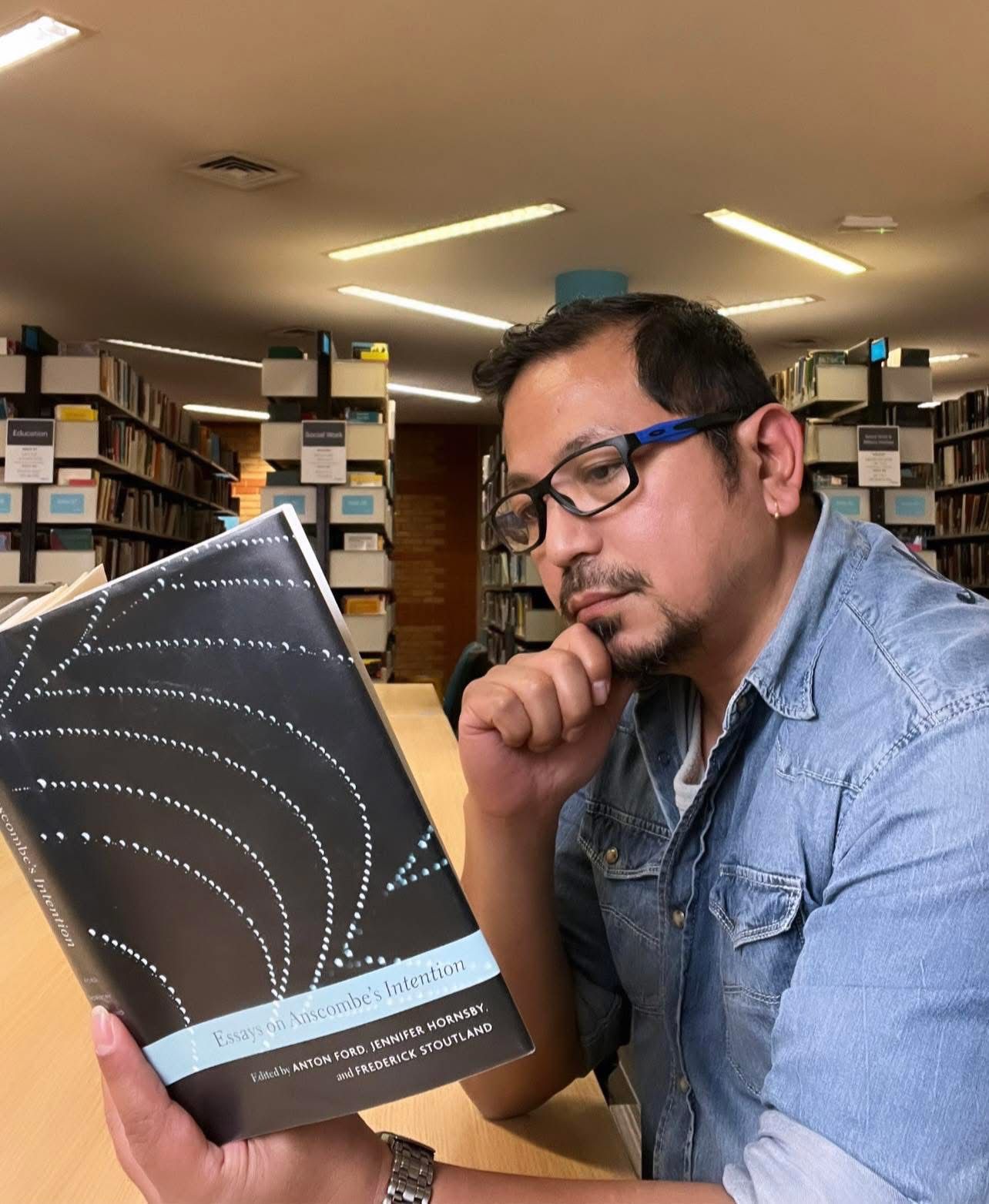
Today, on a day off, I walked into a small library near my home and began reading Elizabeth Anscombe’s famous book Intention. The book raised a simple yet profound question in my mind: Why does a person do what they do? Anscombe argues that if we can answer the question “Why?”, then the act should be considered intentional—done knowingly and with one’s own deliberation. In other words, she places intention at the very center of moral evaluation.
But as I kept reading, a deeper question surfaced. A Nepali youth serves in the Indian Gorkha Regiment, carries a rifle on his shoulder, and whether it is the Kargil War or “Operation Sindoor,” he stands at the Indian border and hears the command: “पाकिस्तानी जवान पर निशाना लगाओ।” (Aim at the Pakistani soldier.)
Yet the truth is clear—Nepal and Pakistan have no conflict between them. The youth of the two nations have no personal hostility. And still, the Nepali soldier must fire, because the order commands him to.
According to Anscombe’s method, if we ask that Gorkhali soldier “Why are you doing this?”, he will easily answer: for family, employment, future, tradition of bravery, honour. But a quiet question rises in all our minds—
“Is he shooting at a Pakistani soldier out of his own free will? Or is this desire already written by history, poverty, the state, orders, and long-standing tradition?”
This is precisely where Anscombe’s theory of intention begins to collapse, at least in my view. Because sometimes we can answer the question “Why?”, but those answers are not chosen by us— they are imposed by structure.
After a long time, I felt compelled to share this contradiction here on Facebook today.